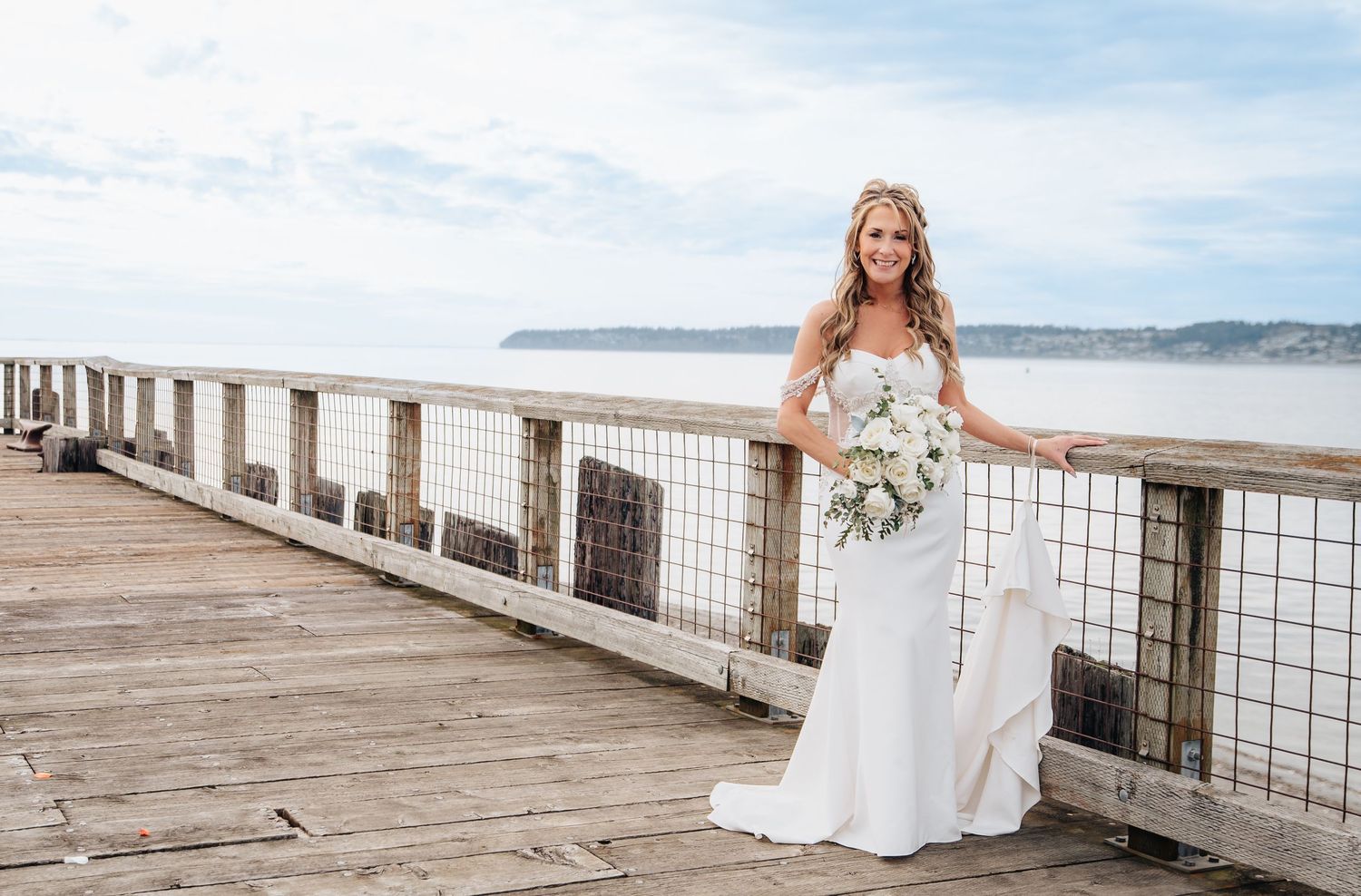

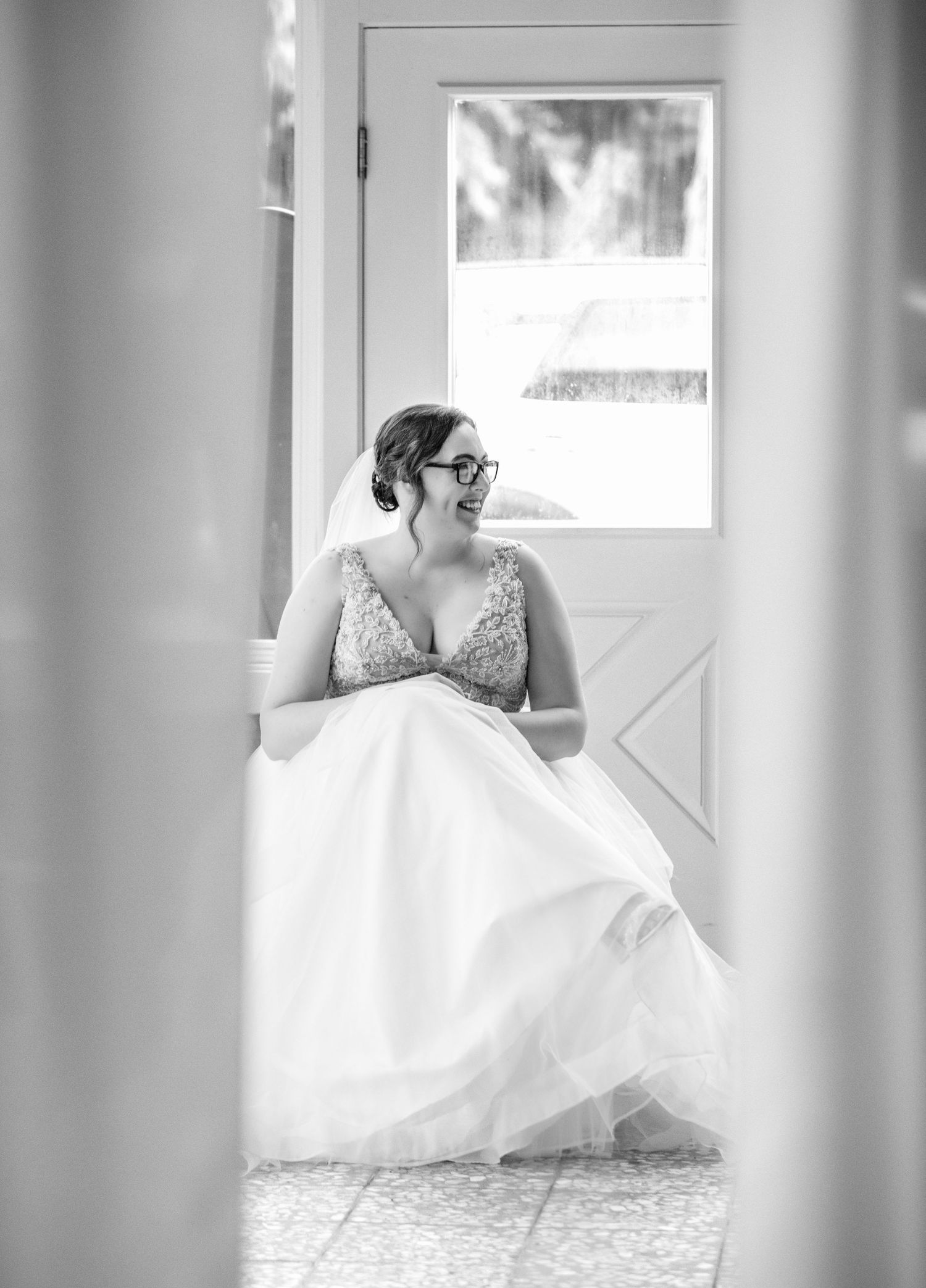
You’ve probably seen it before, maybe even in photos of yourself. That moment where your eyes feel a little too wide, your shoulders slowly creep upward, and suddenly you’re painfully aware of where your hands are, except you have no idea what to do with them. You’re smiling, but it doesn’t feel like your smile. It feels practiced. Frozen. Slightly panicked. This is what we call “Deer in Headlights” syndrome, and if you’re worried it might happen to you on your wedding day, let me reassure you right away: you are not awkward, broken, or bad in front of the camera. This happens to so many couples, even the confident ones.
Most people aren’t used to being professionally photographed. Not in a meaningful, emotional way. You might take selfies or quick phone photos, but your wedding day is different. Emotions are high, the day moves fast, and suddenly there’s a camera present during some of the most intimate moments of your life. Your brain registers that you’re being watched, and almost instantly, you start thinking about how you look instead of how you feel. That shift alone is often what causes people to freeze.
A lot of this comes from pressure. Pressure to look perfect. Pressure to recreate moments you’ve seen online. Pressure to feel joyful and relaxed on command. The more you try to do it “right,” the more disconnected you can feel from the actual moment you’re in. Your body tightens, your movements become smaller, and your smile starts to feel forced instead of natural.
Another reason this happens is simpler than most people realize. Couples often stop touching each other. You’re standing next to the person you love most, facing forward, hands at your sides, waiting for direction, while everyone watches. Of course it feels uncomfortable! Humans aren’t meant to stand still during emotional moments. We’re wired to reach for connection, especially when we’re nervous or overwhelmed.
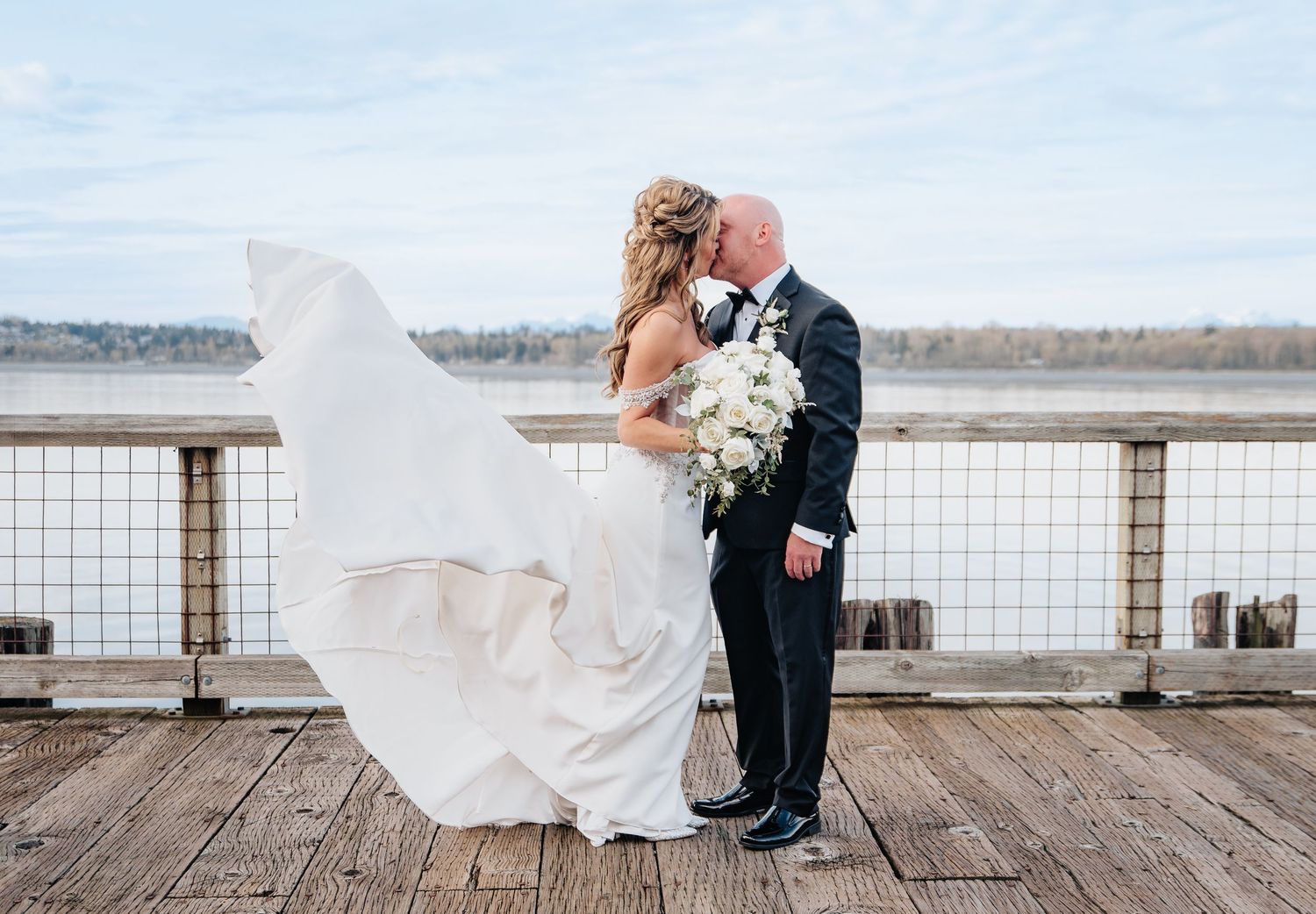
This is why one of the most important things you can do on your wedding day is to touch your partner, often and intentionally. Hold hands. Pull them close. Rest your hand on their chest or waist. Brush their hair back. Lean into them. Touch grounds you. It pulls you out of your head and back into your body. The moment couples reconnect physically, you can see the tension melt away. Shoulders drop. Breathing slows. Expressions soften. The camera fades into the background.
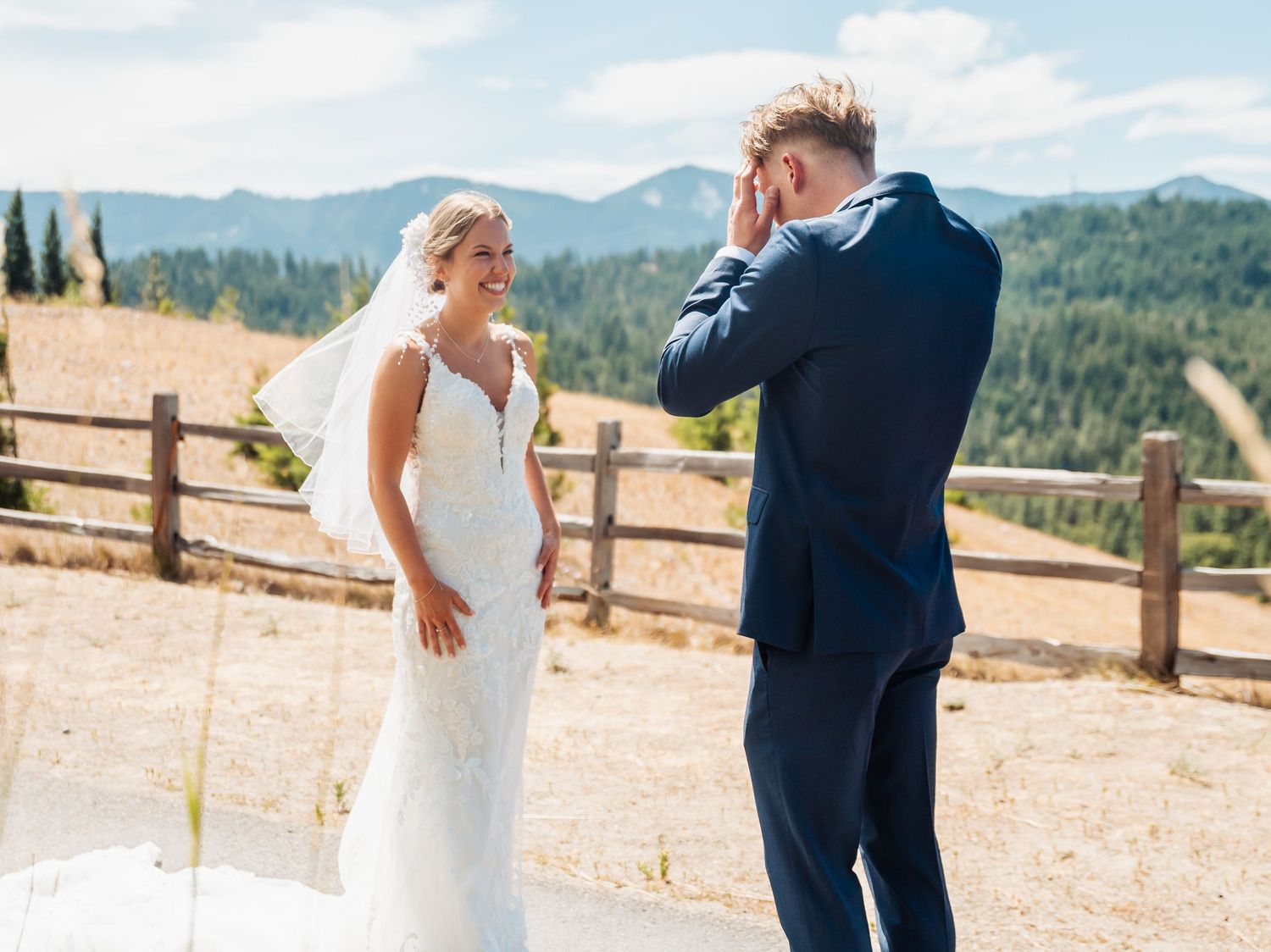
You also don’t need to give the camera your attention. You don’t need to check in with it, smile on command, or wonder if you’re doing things correctly. Your partner deserves your focus, not the lens. Some of the most emotional images happen when couples forget they’re being photographed at all and simply exist together in the moment.
Standing completely still can feel unnatural, and that’s okay. Small movements make a huge difference! Walking slowly together, swaying, laughing mid-sentence, adjusting a dress strap, or whispering something private all help your body relax. Relaxed movement creates photos that feel honest and alive instead of stiff or staged.
Trust also plays a huge role in how comfortable you feel! When you trust your photographer to guide you when needed and to step back when moments unfold naturally, you don’t have to manage anything yourself. Letting go of control allows you to stay present, and presence is what creates meaningful images.
Your wedding day is not a performance. It isn’t a photoshoot you have to get right; it's a day filled with real emotion. If at any point you feel that frozen feeling creep in, pause, take a breath, reach for your partner, and look at them instead of the camera. That single shift changes everything. The images that come from those moments won’t just show what your day looked like, they’ll bring you right back to how it felt.
One of the easiest ways to avoid that frozen, wide-eyed feeling is to give yourself permission to slow down. Wedding days move quickly, and when everything around you feels rushed, your body mirrors that energy. Taking a few intentional breaths, even just one, can reset your nervous system. When you slow your breathing, your face softens, your shoulders drop, and your movements become more natural. You don’t need to fill every second with action or conversation. Quiet moments are not awkward — they’re grounding, and they often become some of the most meaningful images of the day.
It also helps to remember that you are not on display for the world — you are sharing an experience with one person. Shifting your focus inward instead of outward changes everything. Whisper something private, make eye contact longer than feels necessary, and let yourself react honestly instead of trying to manage how you look! The moments that feel the most real to you in real time are the ones that translate most beautifully in photos. Presence always reads better than performance. The more you allow yourself to be in the moment instead of watching it happen, the more your images will reflect who you truly are.
Your wedding day isn’t a photoshoot.
Ready to start the conversation?
Let’s talk about your vision, your people, and the moments that matter.